A great excuse we software engineers fall back on is our nerdiness. While we may have earned a reputation as socially obtuse or geeky in the early days of the internet (something that was probably pretty deserved), it's no longer as true. Instead of changing, we have changed everyone else; Dungeons and Dragons is played by celebrities, people wear non-prescription glasses as fashion accessories and living in your parent's basement is a pretty enviable living arrangement, nowadays.
We still play the nerd card when it suits us however, and using AI generated headshots instead of paying for a professional headshots is exactly the time to do so! I did as much, and I was surprised at the genuinely great standard of photos the process ended up producing. If you're just interested in the results and what software I used, jump to the bottom. If you're interested in how I ended up there, read on.
How'd I do it? Firstly, googling for "AI generated headshots" brought up a lot of low quality apps or tools. With AI image generation being the hot new thing, I had to trawl through a lot of apps that overpromised or used buzzwords around image generation to lure in customers.
There were a few serious solutions out there, but using them wasn't as straightforward as I'd hoped. Some of their common features:
-
You need to provide varied (but not too varied) photos as inputs. You don't want all of your photos to be the same background and expression, but you don't want too much of a change or different input image features that are used in generated images end up clashing (having a showed face and a brightened face at once, for example)
-
The good ones usually cost money. I haven't found anything free that's worth using- presumably the paid ones use some heavy-weight image API like DALL-E, so they can't be completely free.
-
The higher quality your input photos, the higher quality your produced images. Taking blurry, shadowey or noisy photos led to inaccurate generated images. The technology may seem like magic but it's sadly not, and it is only as good as the images you provide.
I ended up settling on aragon.ai. They seemed the most professional, weren't as costly as some others (around $30 for 40 images) and their example images seemed like what I was looking for. I was bumped up to the premium plan without any prompting, so my guess is if it's your first time using it, you get 250 images, like I did- and these are useful, because you'll need to filter out any badly generated images.
Results!
Input images
A sample of the input images I used, taken with my phone. I tried to keep my backgrounds varied, but still similar. I used around 15 images of myself as an input set. Also worth noting the sheen from my glasses- this ends up being somewhat visible in the output images.
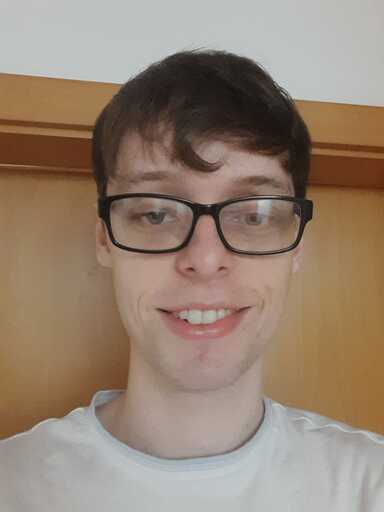
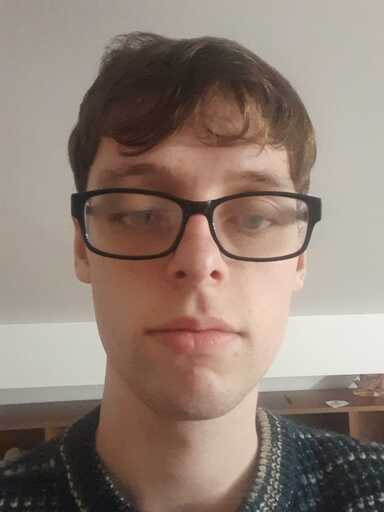
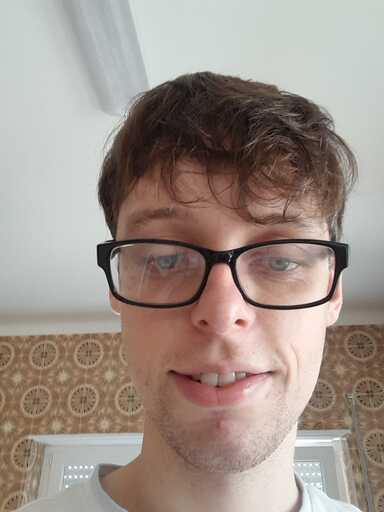 Felt cute, might AI generate later
Output images
Here's a selection of different output images
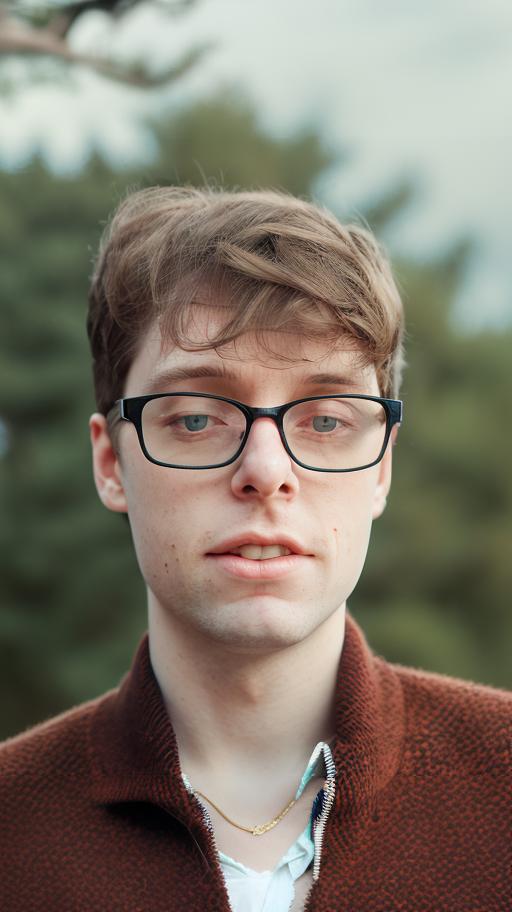
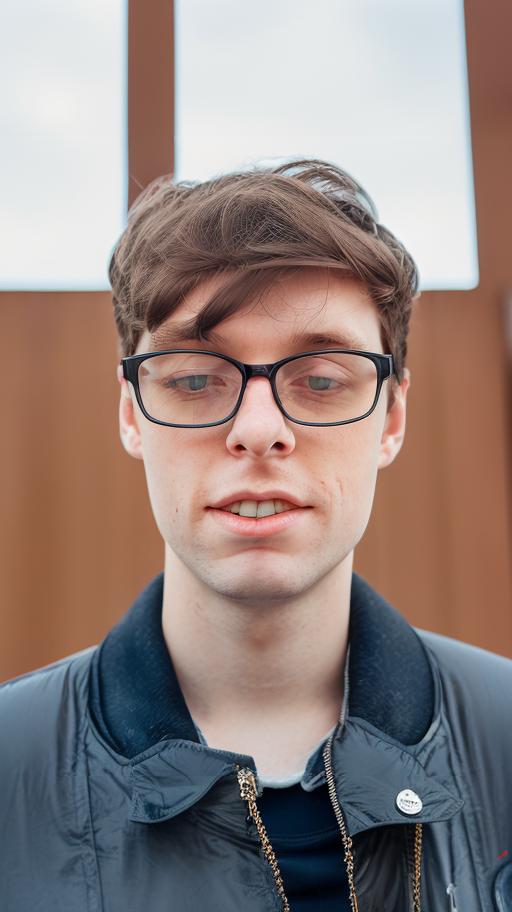
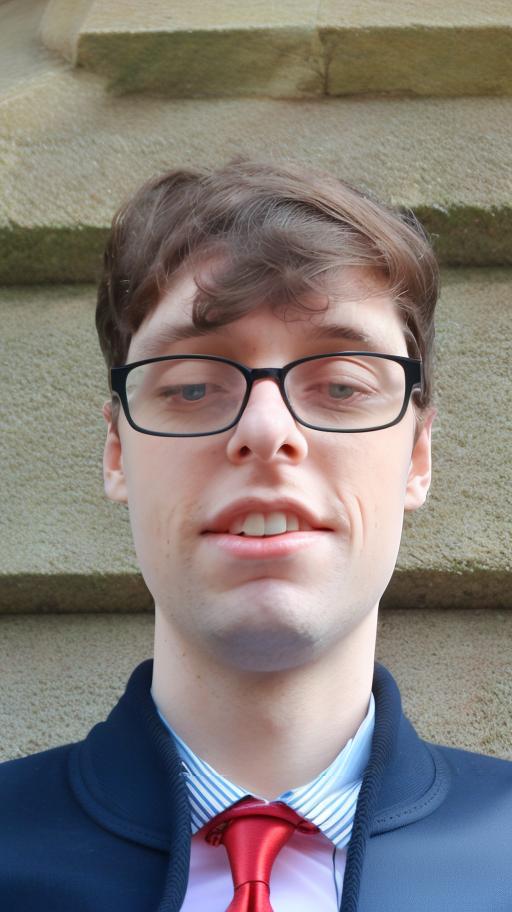 The good
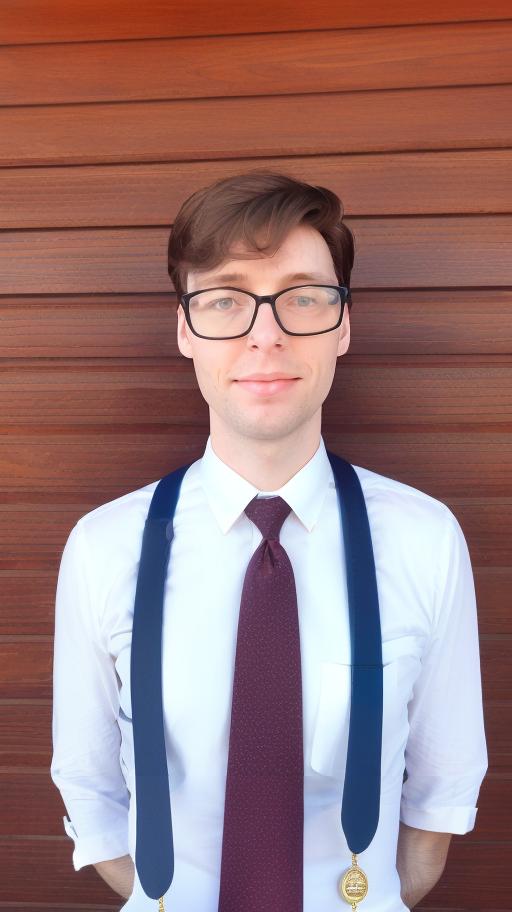

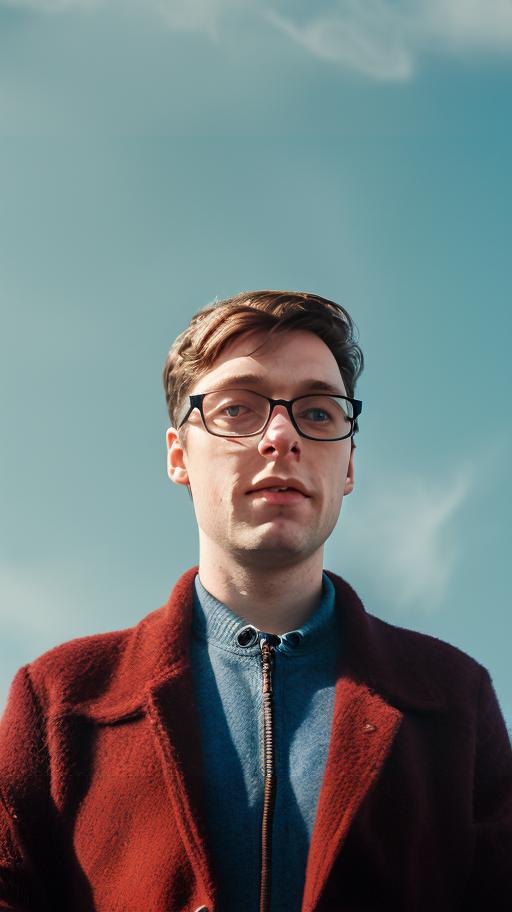 The bad
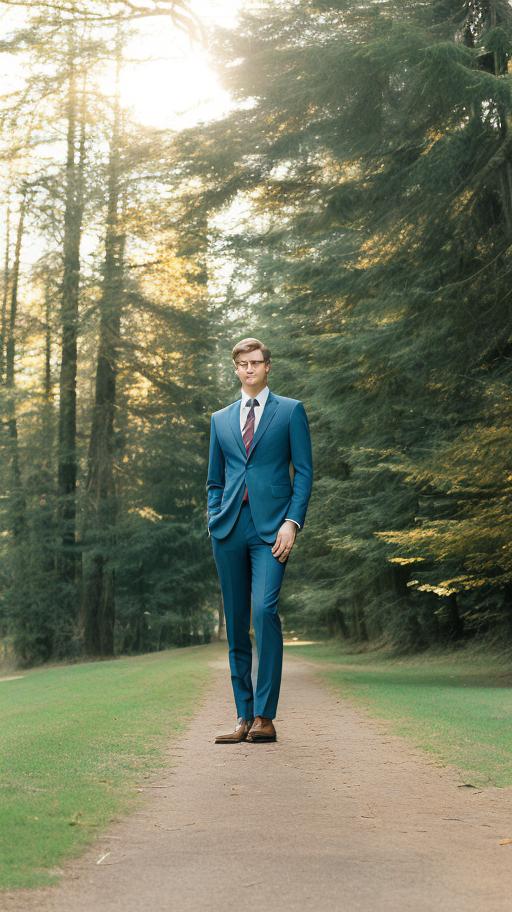
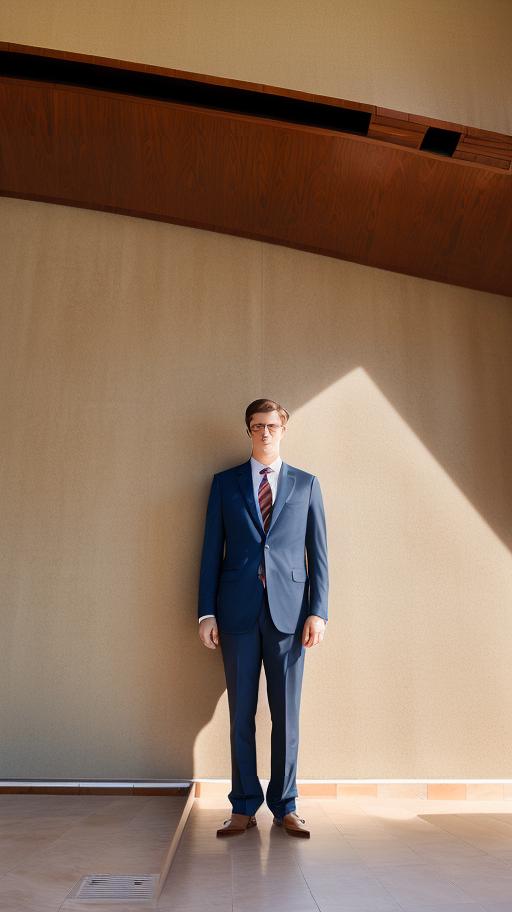
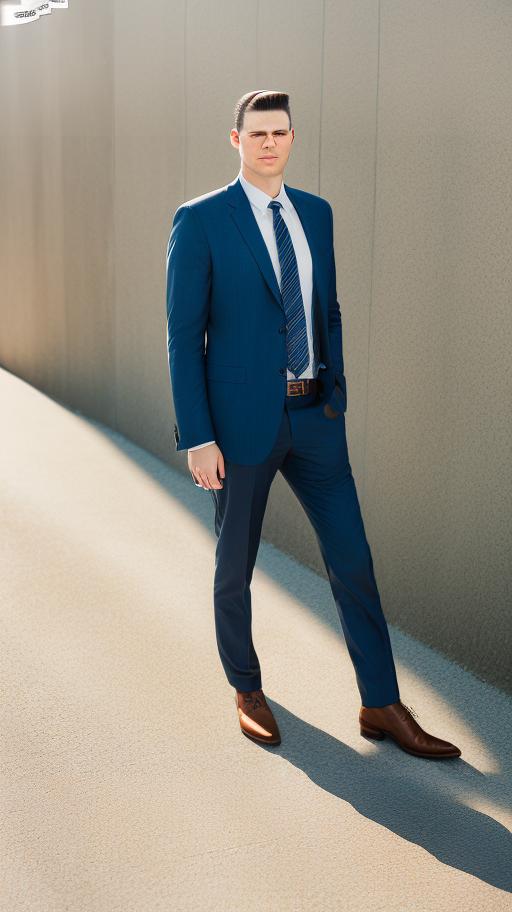 The (terrifyingly) ugly
Conclusion
So there ya' have it. I could talk about how this technology is poised to wreak havoc on people's self-perceptions, how the line between good lighting & make-up and completely fabricated photos is becoming impossible to distinguish and perhaps irrelevent, about the loss of identity and individualism that this technology implies- but really, all of that's moot. The technology is out there and we're just along for the ride.
So let's focus on something smaller: I paid $29 and a bit of my time for a bunch of AI generated photos. Some look like me, some don't. Some look like what I want myself to look like and some, some look terrifying.
Was it worth it? Yes, and I wish it wasn't.